Biohazard Cleanup
Blood, sewage, sharps and other biohazards removed and disinfected by cleanup crews in protective gear.
Learn more →Ohio · Franklin County
Cleaning up after a loss should not fall on the family in Bexley. Get biohazard cleaners for crime scene, death and trauma cleanup, plus sewage, hoarding and infectious disease work. Call (877) 812-4220 any hour.
If anyone is in danger, call 911 first. For a suicide crisis, call or text 988.
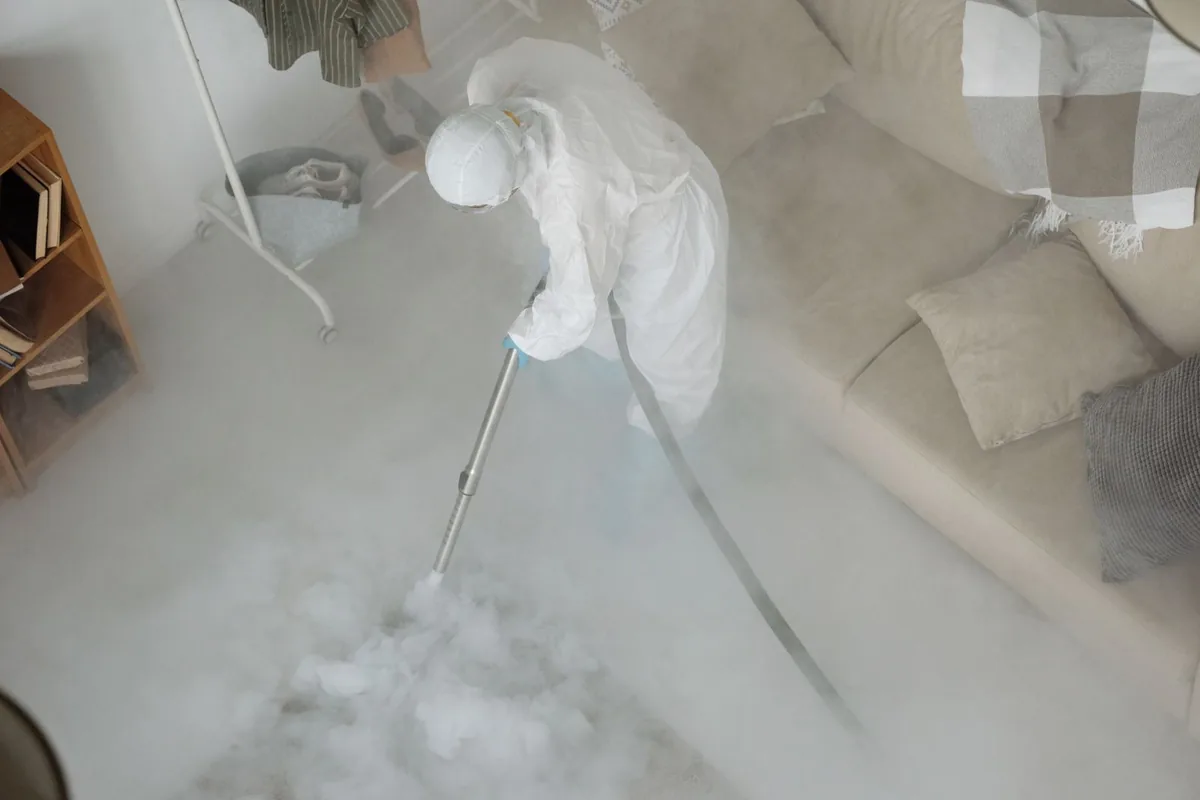
What counts as a biohazard? Anything that can spread disease, such as blood, tissue, bodily fluids, human waste, raw sewage, sharps and some animal waste. In Bexley, you can get residential and commercial biohazard cleanup that removes it safely and completely, with help from Bexley Biohazard Cleanup Help.
The goal is simple: nothing harmful left behind. Technicians work in protective gear, treat the whole affected area, remove contaminated materials and keep cleaning until the space is livable again. This work is available in Bexley, across Franklin County and in towns like Whitehall.
Fewer older adults in Bexley live alone than the Ohio average, at 26%. Even so, unattended deaths happen in every community, and the cleanup steps are the same. About 20% of homes in Bexley are rented, so many cleanups involve owners working directly with their own homeowners insurance company.
Why the strict steps? Because dried blood, tissue and decomposition fluids can still carry disease. Cleanup technicians in Bexley follow the OSHA bloodborne pathogen standard, 29 CFR 1910.1030, and treat every stain as a hazard until it has been properly disinfected.
Cleaning removes soil, and disinfecting kills germs, so both steps happen. Crews use EPA-registered disinfectants and let them stay wet for the full contact time, then use air scrubbers to pull particles and odor out of the air.
Looking for something specific? Each card below is a separate biohazard cleanup service for Bexley, with its own page on process, safety and what to expect.
Blood, sewage, sharps and other biohazards removed and disinfected by cleanup crews in protective gear.
Learn more →Crime scene cleaners handle contaminated carpet, drywall and debris, then check the work before handing the space back.
Learn more →Discreet trauma cleaning that covers waste disposal, odor removal and records for insurers.
Learn more →Removal of soaked materials, safe waste hauling and deodorizing after a delayed discovery.
Learn more →Suicide scene cleanup for homes, apartments and vehicles, handled quietly and with care.
Learn more →Murder scene cleanup for homes, rentals, businesses and vehicles, handled privately with protective gear.
Learn more →Blood spill clean up for homes, rentals and workplaces, with soaked materials removed and surfaces sanitized.
Learn more →Bodily fluid cleanup for blood, vomit, urine and feces, with disinfection and safe waste disposal.
Learn more →Human feces removal with protective gear, EPA-registered disinfectants and sealed disposal of contaminated waste.
Learn more →Decomposition odor removal that treats flooring, walls and air after an unattended death.
Learn more →Respectful hoarder cleaning that clears exits, sorts belongings with you and cleans every room.
Learn more →Trash, donation and recycling hauled out of crowded homes, followed by a thorough clean.
Learn more →Ammonia odor, urine and feces cleaned from floors, walls and air after animals are removed.
Learn more →Hoarding and filth cleaning that restores a home for living, repairs or a new tenant.
Learn more →Category 3 cleanup with protective gear, sealed disposal and EPA-registered disinfectants.
Learn more →Commercial decontamination services for offices, restaurants, schools, gyms and care sites after illness.
Learn more →Cleaning first, disinfecting second: a careful process that targets the germs, not only the stain.
Learn more →Medical waste removal: sharps, soaked dressings and clinical waste packed, sealed and hauled away.
Learn more →Safe syringe pickup for places where children, pets or customers could be at risk.
Learn more →Clearing a room or unit after drug use, with sealed containers and proper disposal.
Learn more →Clear steps for owners who suspect meth contamination, from first sample to final report.
Learn more →Decontamination for rentals, motels, offices and vehicles after drug incidents and responder visits.
Learn more →Toxic waste cleanup that identifies the substance, cleans affected surfaces and follows disposal rules.
Learn more →Cleanup that begins once responders clear the scene, with records for insurers, owners and inspectors.
Learn more →Irritant residue removed from walls, floors, fabrics and vents after tear gas or pepper spray is released.
Learn more →Hantavirus-aware cleanup for cabins, sheds, barns and homes with HEPA-filtered equipment and disinfection.
Learn more →Histoplasmosis-aware cleanup with respirators, HEPA filtration and sealed disposal of guano.
Learn more →Dead animal removal from walls, attics, crawl spaces and vents, with disinfection and odor treatment.
Learn more →Hazmat car cleaning with protective gear, EPA-registered disinfectants and sealed disposal of contaminated parts.
Learn more →Injury scene cleaners remove soaked materials, treat odor and prepare records for employers and insurers.
Learn more →Workplace biohazard cleanup that contains the area, removes contamination and documents the work for insurers.
Learn more →Careful clearing of a home after a death, with biohazard cleanup first when it is needed.
Learn more →A technician looks for every source of contamination, including areas the eye misses, such as under flooring and inside vents. The type of biohazard sets the method.
Barriers and filtered air keep the problem inside the affected room. Technicians put on respirators, gloves and disposable suits.
Porous materials are removed, surfaces are scrubbed and disinfected, and tools are cleaned between steps so germs are not carried to other rooms.
When the job is done, the family receives the paperwork they need for claims and a clear description of what was removed and treated.
Calls are answered day and night. Crews arrive in unmarked vehicles and work quietly, so neighbors are not told what happened.
Cleanup covers houses, apartments, rentals, offices, churches, shops and cars or trucks, with plans that fit each type of property.
Hoarded homes, neglected rentals and difficult situations are treated with dignity. The only goal is a safe, clean space again.
One biohazard cleanup company covers removal, disinfection, odor removal and damaged materials, so the family can step back.
Biohazard cleanup in Bexley, OH typically costs $500 to $25,000, depending on the type of biohazard, the size of the affected area and how far fluids soaked into porous materials.
Most residential jobs cost $3,000 to $5,000 (Fixr). Access and building type play a role too. A vehicle, a single bathroom, a rental unit and a large commercial space all call for different crews, equipment and hours.
| Type of job | Typical range |
|---|---|
| Blood spill cleanup, small area | $500 - $2,500 |
| Crime scene cleanup, most homes | $1,500 - $7,500 |
| Unattended death cleanup | $2,000 - $7,000 |
| Suicide cleanup | $1,500 - $5,500 |
| Sewage cleanup, most homes | $2,000 - $10,000 |
| Hoarding cleanup, level 3 home | $2,000 - $5,000 |
| Meth lab cleanup, typical | $15,000 - $20,000 |
Estimates only, not a quote. Sources: Fixr, Yelp Costs, BioCleaners Directory, PushLeads, Dropcurb, Bob Vila and cleanup company cost guides. Call (877) 812-4220 to talk through the job.
About 26% is the census figure for older adults living alone in Bexley. When a person dies alone, days may pass before anyone knows, and unattended death cleanup follows.
Cars, trucks and work vehicles can carry biohazards after an accident, assault or medical event. Vehicle cleanup removes contaminated upholstery and disinfects every surface and vent.
An average July high of 85 degrees in Bexley speeds up decomposition after a death. The sooner the scene is released and cleaned, the less the odor and fluids spread.
Offices, shops, churches and other public spaces may need cleanup after an injury, illness outbreak or break-in. The work is planned around staff, customers and reopening dates.
Failing septic systems and sewer backups push raw sewage, a Category 3 biohazard, into homes. Sewage cleanup removes contaminated materials and disinfects every surface.
When a death goes unnoticed for days, decomposition fluids reach flooring and subfloor and the odor spreads. Death cleanup removes the affected materials and treats the odor at the source.
Not every biohazard looks the same or carries the same risk. A cleanup team sorts the problem by type and by size, and that sorting decides the protective gear, the method and the budget.
The cost depends on the type of contamination, the size of the area, how many porous materials must be removed, odor treatment and waste disposal. A small spill costs far less than an unattended death or a hoarded home. The cleanup team explains the cost range after hearing the details.
Yes. You can expect unmarked vehicles, quiet work and no discussion of the job with neighbors. Family members are not asked to see or handle anything.
Many jobs are priced by the scope of the work rather than as one simple hourly rate. The type of biohazard, the size of the area, the materials removed and waste disposal set the total. Ask the cleanup team how the cost is worked out.
Biohazard cleanup is the removal, cleaning and disinfection of anything that can spread disease: blood, bodily fluids, tissue, decomposition, human and animal waste, raw sewage, sharps and drug residue. It covers crime scene cleanup, unattended death cleanup, trauma scene cleanup, suicide cleanup, hoarding cleanup and infectious disease disinfection.
Yes. Raw sewage is treated as Category 3 water because it can carry bacteria such as E. coli, viruses and parasites. Porous materials it touches usually must be removed, and the rest is cleaned and disinfected.
A biohazard is any biological material that can carry germs and make people sick. Common examples are blood, bodily fluids, tissue, sewage, used needles, animal waste and the fluids from decomposition. Anything that has touched them can also become contaminated.
They can. About 90% of homes in Bexley were built before 1980, and older carpet, subfloor and trim absorb fluids deeply. The crew inspects each home to see how far the contamination went.
It can. Franklin County has a Relatively High river flood risk rating from FEMA. Wherever floodwater or a sewer backup enters a home, the water is treated as Category 3 and needs full cleaning and disinfection.
Biohazard cleaning is not limited to Bexley. Homes and businesses in Whitehall, Columbus, Columbus and other places around Franklin County can get cleanup teams too. Call Bexley Biohazard Cleanup Help to ask.
No judgment and no pressure, just a clear plan for the property.
Call (877) 812-4220